Snorkeling in the Red Sea is a highlight of any Hurghada visit. For first-timers, the question is natural: is it safe? The short answer is yes, with the right preparation and guidance. The Red Sea near Hurghada is one of the safest and most accessible snorkeling destinations in the world, and thousands of beginners enjoy it every week.
After taking over 380 guests snorkeling in the past year alone, we have learned exactly what makes beginners comfortable, what concerns they have, and how to address each one. Here is everything you need to know before your first snorkeling experience.
Why the Red Sea is Beginner-Friendly
The Red Sea coastline near Hurghada is protected by fringing reefs that create natural lagoons with calm, shallow water. Most snorkeling spots are 2 to 5 meters deep with minimal current. The water is warm (23 to 30°C year-round), clear (15 to 30 meters visibility), and free of dangerous currents in the standard snorkeling areas. We choose our spots based on conditions each day, so you always snorkel in the safest, clearest water available.
The Red Sea is also unique because its reefs are protected from open-ocean swells by the Giftun Island chain. This creates natural sheltered areas where the water is calm even on windier days. The combination of warm water, excellent visibility, and sheltered conditions makes it one of the best places in the world for first-time snorkelers.
Equipment We Provide
All our tours include high-quality masks, snorkels, fins, and life jackets. The life jacket keeps you floating without effort — many beginners prefer wearing one even if they are strong swimmers. We carry multiple mask sizes and can fit them properly before you enter the water. A poorly fitted mask is the most common reason beginners feel uncomfortable, so we take extra time with the fitting.
Our snorkel gear is cleaned and inspected after every trip. The masks are tempered glass with silicone skirts that create a comfortable seal. The fins are sized from junior to extra-large. If you wear prescription glasses, we recommend contact lenses for snorkeling — a mask cannot accommodate glasses, but a prescription mask insert is available on request.
What to Watch For
Three things to keep in mind: sun exposure (the reflection off the water amplifies UV — wear reef-safe sunscreen and a rash guard), staying hydrated (drink water between snorkels), and not touching the coral (some species sting and all are fragile). Our captain guides you to the best entry points and stays nearby at all times.
Sunburn is the most common issue for beginners, not marine life. The water surface reflects UV rays from below, so you get sun from both above and below. A rash guard or UV shirt is more effective than sunscreen alone. We recommend applying reef-safe mineral sunscreen to exposed skin and wearing a long-sleeve rash guard for the best protection.
What About Currents?
We only snorkel in areas with minimal current. Our captains check conditions every morning and choose spots where the water is calm and the reef is accessible. If conditions change during a tour, we move to an alternative spot. You will never be asked to snorkel in conditions that are not suitable for beginners. The boat is always anchored nearby, and you can return to it at any time by simply swimming to the ladder.
A Note on Marine Life
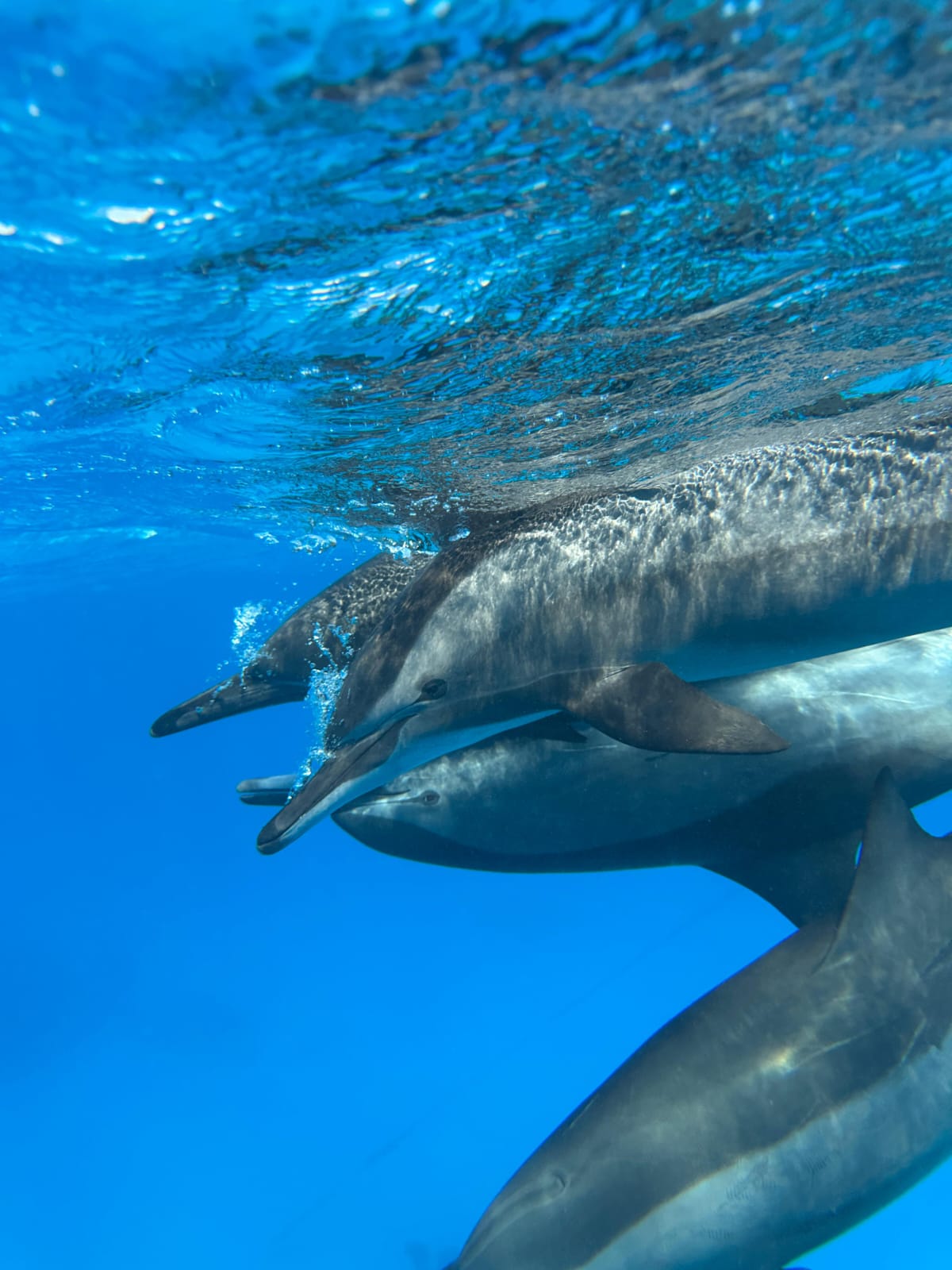
The Red Sea is home to over 1,200 species of fish and 250 species of coral. You will see parrotfish, angelfish, butterflyfish, and sometimes turtles and rays. None of the common reef fish are dangerous to humans. We have never had a marine-life incident on any of our snorkeling tours.
The most common question we get is about jellyfish. The Red Sea has very few jellyfish in the areas where we snorkel. On the rare occasion one is spotted, we move to a different area. Stonefish and lionfish exist in the Red Sea but are extremely rare in shallow snorkeling areas — they prefer deeper water and are not aggressive.
Can Non-Swimmers Snorkel?
Yes. With a properly fitted life jacket and a guide nearby, non-swimmers can comfortably enjoy snorkeling in shallow areas. We recommend staying close to the boat and using a floating device. Several of our guests each month are non-swimmers who have their first snorkeling experience with us and love it.
The key is the life jacket. It keeps you floating face-down on the surface without any effort from you. You simply look down through the mask at the reef below. Many non-swimmers find this easier than they expected because the life jacket does all the work. Your captain will be in the water with you or watching from the boat at all times.
What If I Panic in the Water?
This is more common than people admit, and it is completely manageable. If you feel uncomfortable, simply lift your head out of the water and hold onto the boat ladder or a floating device. There is no pressure to stay in the water longer than you want. Most beginners start with 10 to 15 minutes, then gradually extend their time as confidence builds. Your captain will check on you regularly and can assist if needed.
How Long Does the Snorkeling Stop Last?
On our combined tours, the snorkeling stop typically lasts 45 minutes to one hour. On our dedicated Private Snorkeling Adventure tour, you get multiple stops totaling about 2 hours of snorkeling time. You can get in and out of the water as many times as you like — there is no minimum or maximum time requirement.
What Should I Bring?
Reef-safe sunscreen (mineral-based, not chemical), a rash guard or UV shirt, a hat with a strap for the boat ride, and a waterproof phone pouch if you want underwater photos. We provide everything else: snorkel gear, life jacket, water, soft drinks, and snacks. If you wear contact lenses, bring them — they work perfectly with snorkel masks.
Frequently Asked Questions
Is snorkeling safe for children?
Yes. Children as young as 4 can snorkel with a life jacket and parental supervision. We carry junior-sized masks and fins. The shallow, calm waters near Hurghada are ideal for young snorkelers. Children aged 6 and up usually snorkel independently with a life jacket.
Do I need to be a strong swimmer?
No. The life jacket keeps you floating without any swimming effort. Many of our guests are not strong swimmers and snorkel comfortably. You can hold onto a floating device or the boat ladder at any time.
What if I have a medical condition?
Snorkeling is generally low-impact and suitable for most people. If you have asthma, heart conditions, or mobility limitations, let your captain know before the tour so they can adjust the experience. We have successfully taken guests with various medical conditions snorkeling by keeping them close to the boat and in shallow water.
Can I wear glasses while snorkeling?
Not directly with a standard mask. Contact lenses work perfectly. For prescription needs, we can arrange a prescription mask insert with advance notice. Many nearsighted snorkelers find that the mask magnification is sufficient for viewing the reef.